
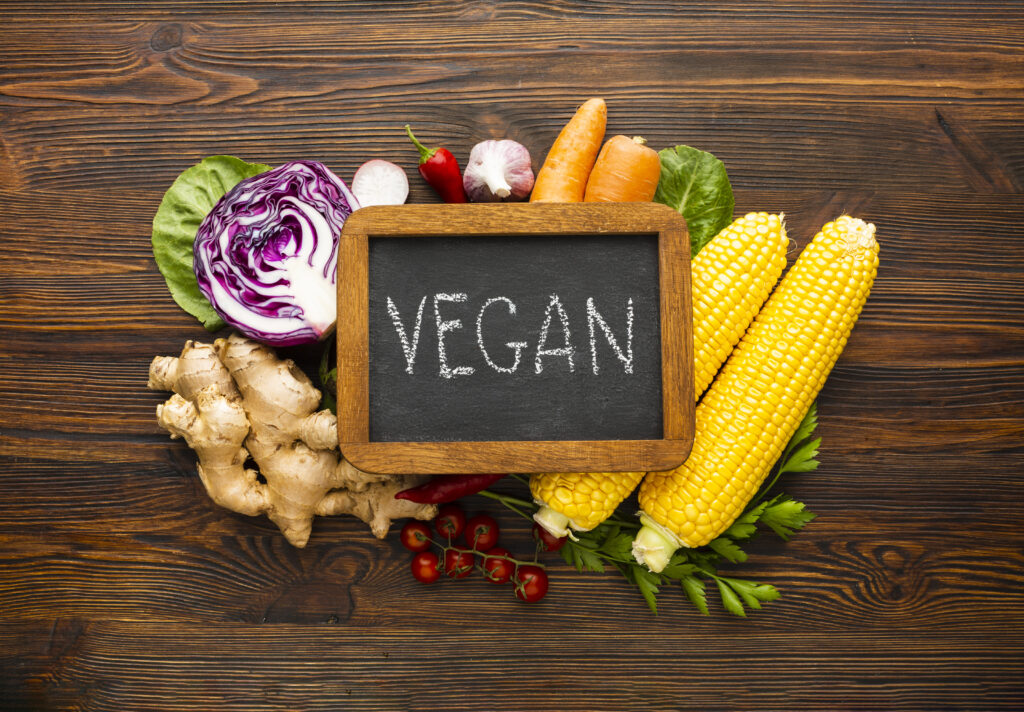
The Pros and Cons of Vegan vs. Animal-Based Collagen
Article Abstract: Introduction — Is Your Collagen Supplement Actually Working?
If we are being completely honest, collagen supplements are everywhere. From powders in smoothies to pills in your AM PM pill organizer and even gummies that look like candy. But the most burning question of them all: what works, vegan collagen or animal-based?
Let’s say you want these sexy lewks (glow-y skin, strong hair, ageing like a fine wine — the whole 9 yards). This debate matters. Collagen trend is a thing of today, but not all supplements are equally effective. And honestly? Marketing can be more powerful than science at times
So, today were going to take a no-BS approach and demystify the pros and cons of vegan collagen + animal-based collagen (backed by REAL science — not finicky “studies” from the company that sells said product) straight into well-formed tips you can do today.
Let’s dive in.

What Is Collagen, Really?
Collagen is the most prevalent protein in your body. It is how you build the “scaffolding” that maintains an elastic skin, flexible joints and strong hair.
Already around age 25, our collagen production slows down — starting quite rudely. Wrinkles, sagging skin and joint stiffness start to creep in around this time.
You might ask: Which food has really high collagen content?
There’s plenty of it in animal foods as well—such as bone broth, chicken skin and fish skin. And yes—does gelatin have collagen? Absolutely. Gelatin is basically cooked collagen.
Animal-Based Collagen: The Traditional Choice
Animal collagen usually comes from:
• Bovine (cow), Marine (fish), Chicken collagen
This contains genuine collagen peptides—the very same amino acids your body makes to repair tissue.
✅ Pros of Animal-Based Collagen
Scientifically Studied
Four studies published in journals such as Nutrients3 and Dermatology Practical & Conceptual have demonstrated skin elasticity-affecting and hydration-improving effects of hydrolyzed collagen peptides.
Highly Bioavailable
Watch Out for Hydrolyzed Collagen — it really isn’t collagen. Hydrolysed collagen is reduced to (you guessed it) smaller peptides, meaning that your body can absorb more of the dried dog FOOD when you take time off from your gym workout.
Supports Skin, Hair & Joints
- Many users report:
- Stronger nails
- Smoother skin
- Reduced joint pain
For the record, my skin felt “bouncier” when I tried marine collagen for 8 weeks — just sayin’. Subtle, yes—but real.
❌ Cons of Animal-Based Collagen
- Not vegan or vegetarian
- Ethical/environmental concerns
- Possible allergens (fish-based collagen)
- Quality varies by source
If you’re plant-based, this could be an ultimate dealbreaker.
Getting Your Collagen On With Vegan Collagen
And here comes the truth bomb – there is only one “true” collagen in animals.
So what is vegan collagen?
Usually, it is a mix of the nutrients which boost your body’s natural ability to produce collagen for example:
- • Vitamin C
Zinc
• Silica
• Amino acids
A few newer biotech companies are crafting lab-grown collagen through yeast fermentation; that’s an emerging area too.
✅ Pros of Vegan Collagen
Ethical & Sustainable
No animals involved. Big win for plant-based lifestyles.
Supports Natural Collagen Production
Collagen synthesis: Vitamin C has an important role in the formation of collagen. In fact, most of the time, combining it with a vitamin C supplement for collagen synthesis is much more potent.
Often Cleaner Formulas
Almost all vegan blends are free of fillers and allergens.
❌ Cons of Vegan Collagen
• Doesn’t contain actual collagen
• Results may be slower
Deficiency of longer studies Check hereBecause most human clinical trials used hydrolyzed animal collagen.
It’s more like supplying your body with the “tools” it needs to manufacture collagen instead of just serving collagen.
Close-Up Of A Comparison Between Vegan And Animal-Based Collagen🐑
Factor Animal-Based Vegan

Real Collagen ✔ Yes ❌ No
Ethical ❌ Not Vegan ✔ Vegan
Research Backed Strong evidence Moderate
Skin Results Often faster, Gradual
Sustainability varies, generally better
Natural Ways to Increase Collagen Production (No Supplements Required)
Oh and, FYI Supplements are not the only thing you can take.
Here’s what actually works:
Eat Collagen-Boosting Foods
- Citrus fruits (Vitamin C)
- Leafy greens
- Bone broth
- Berries
Avoid Collagen Killers
- Smoking
- Excess sugar
- Too much sun exposure
Use Topical Retinoids
Dermatologists believe retinol boosts collagen production.
What About Practical Use?
When you take supplements daily, organization matters. Having a simple pill organizer (even better, an AM/PM pill organizer) will keep everything on track. Because we face it consistently> intensity every time.
And no, you don’t have to get fancy unless you’re tracking multiple supplements like collagen + vitamin C + zinc.
So… Which Should I Use?
It depends on your priorities.
Choose Animal-Based Collagen If:
- You want faster visible results
- You’re not vegan
- Want clinically studied peptides
Choose Vegan Collagen If:
- Ethics matter deeply to you
- You prefer plant-based nutrition
- Want a holistic skin-health approach
Honestly? Neither is magic. Glowing skin still depends on sleep, hydration, and nutrition.
Collagen is an assistant — not a miracle worker.
________________________________________
A Quick Note on Accessibility
Some readers ask about affordability or assistance programs like snap benefits las vegas when budgeting for health products. Although SNAP usually applies to eligible food purchases, supplements like collagen are generally not included. Remember to refer to SNAP’s official eligibility for accurate details.
________________________________________
Key Takeaways
- Is animal collagen made of collagen? It’s not a fake, it contains true COLLAGEN PEPTIDES.
- Vegan collagen supports natural production.
- Collagen formation depends on vitamin C.
- Supplements aren’t all that matters when it comes to diet and lifestyle.
- Be consistent on this — nothing will change overnight.
________________________________________
Conclusion: What’s the Smartest Move?
For science-backed faster results, animal-based collagen may have an edge. If ethics and plant-based living are more important, vegan collagen is a compassionate option.
But here’s the real secret: Your lifestyle But here’s the dirty little secret: Your lifestyle determines your skin more than any supplement will.
your skin more than any supplement ever will.
So, before you click “add to cart,” ask yourself: Are you also sleeping well, eating healthfully and safeguarding your skin?
Because collagen can’t fix burnout.
How has it worked for you (whether vegan or animal-based)? Leave a comment and let’s chat skin science!
________________________________________
FAQs
Does vegan collagen work as well as collagen from animals?
Vegan collagen is not real collagen but it helps your body make its own.
Does gelatin have collagen?
Yes. Gelatin comes from collagen and is made up of similar amino acids.
What foods contain collagen naturally?
Bone broth, chicken skin, fish skin, and egg whites are rich sources.
How to increase collagen production naturally?
Eat food rich in vitamin C, stop smoking, shield skin from sun exposure and eat healthy.
Is animal-based collagen safe?
Mostly yes, if it is from trusted brands. Always review for sensitive allergens and consult with your doctors.
Do collagen supplements really work?
Studies have shown that hydrolyzed collagen may improve skin hydration and elasticity, but results can be inconsistent.